 11
11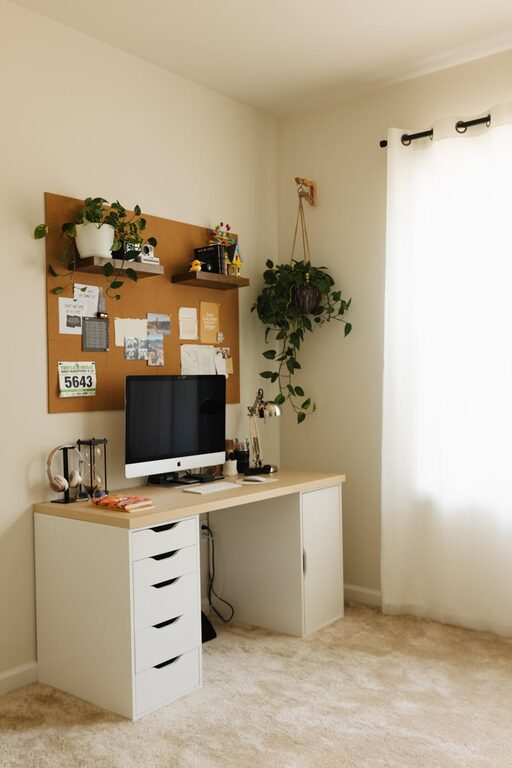
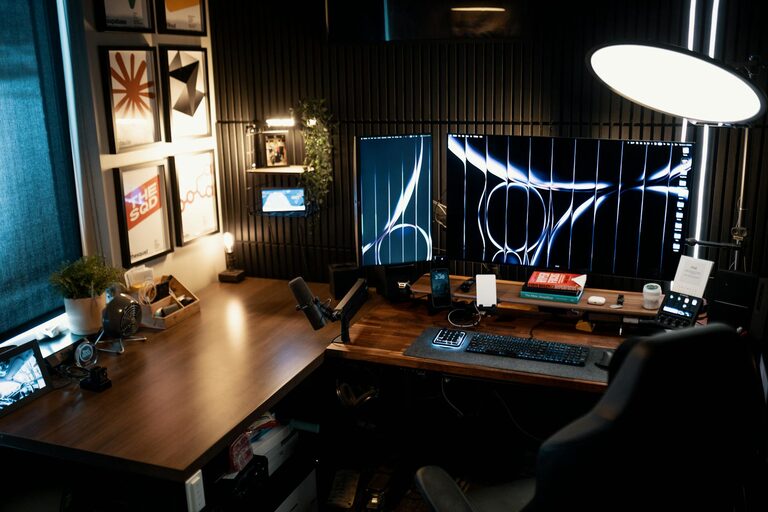
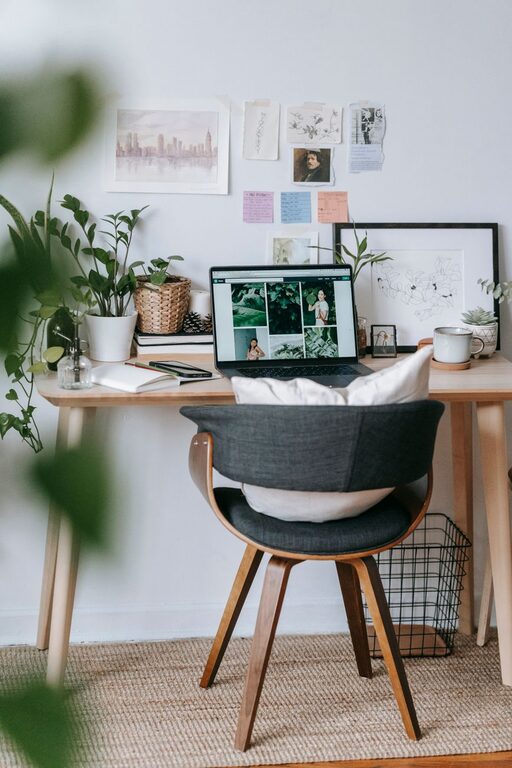
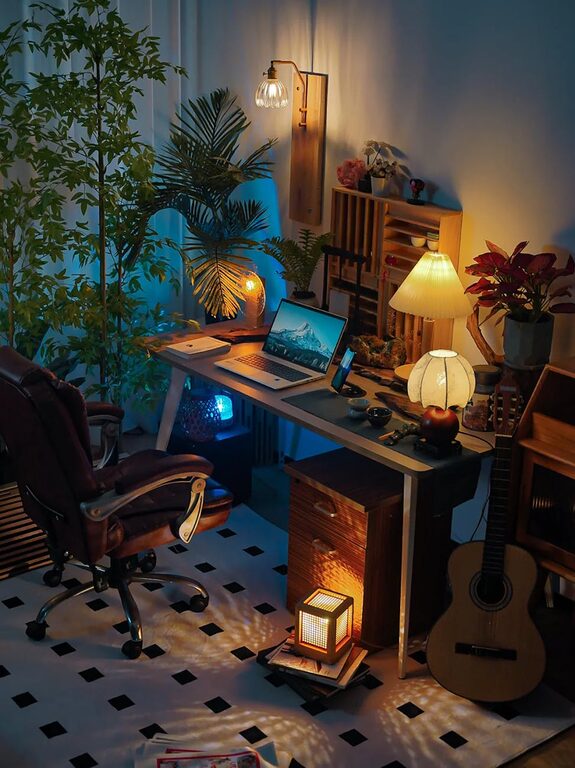
Creating a cozy and functional home workspace is essential for anyone who spends time working remotely or managing tasks from home. A well-designed workspace can boost your productivity, reduce stress, and make your workday more enjoyable. Whether you have a dedicated room or just a corner of your living space, there are plenty of ways to tailor your area to meet your needs.
In this article, we’ll explore practical tips to help you build a home workspace that’s both comfortable and efficient.
Finding the best spot for your workspace is the first step. Ideally, select an area with minimal distractions and enough room for your essentials.
– Consider natural light: Position your desk near a window to benefit from sunlight, which improves mood and focus.
– Limit noise: If possible, avoid high-traffic areas to maintain concentration.
– Use a dedicated space: Even a small nook set aside exclusively for work can help set boundaries between work and leisure.
Your chair and desk are key to comfort and productivity.
– Ergonomic chair: Look for adjustable chairs that provide good back support to prevent discomfort during long hours.
– Appropriate desk height: The desk should suit your height so you can work without straining your wrists or shoulders.
– Space for essentials: Ensure your desk is large enough to hold your computer, notebook, and any tools you frequently use.
Keeping your workspace organized helps reduce distractions and keeps important items within reach.
– Use storage solutions: Shelves, drawers, and organizers can keep clutter off your desk.
– Minimize clutter: Keep only what you need daily on your surface, and store the rest.
– Cable management: Use clips or cord organizers to keep wires tidy and prevent tangling.
Adding personal touches can make your workspace warmer and more inviting.
– Decorate with plants: Greenery can boost mood and improve air quality.
– Display meaningful items: Photos or artwork can create a sense of familiarity without causing distraction.
– Choose calming colors: Soft, neutral tones promote focus, while pops of your favorite colors can energize the space.
Proper lighting reduces eye strain and keeps you alert.
– Combine natural and artificial light: Use a desk lamp to supplement daylight during gloomy days or late hours.
– Adjust brightness: Use adjustable lamps or bulbs with dimming options to customize lighting throughout the day.
– Position lighting strategically: Avoid glare on screens by placing light sources to the side or behind your monitor.
Making your workspace routine-friendly encourages consistent work habits.
– Keep tools accessible: Arrange your supplies so they’re easy to grab without interrupting flow.
– Designate zones: If space allows, separate computer work from areas for brainstorming or reading.
– Use a whiteboard or planner: Visual aids help track tasks and deadlines.
Sound control can make a big difference in concentration.
– Use noise-cancelling headphones: These can be helpful in noisy environments.
– Consider background music: Some people find soft instrumental music improves focus.
– Set boundaries: Communicate your work hours to household members if possible.
Physical well-being is important during extended work periods.
– Take breaks: Step away from your workspace regularly to stretch and rest your eyes.
– Maintain good posture: Sit with feet flat, back straight, and shoulders relaxed.
– Add comfort elements: A small cushion or footrest can improve your seating ergonomics.
Designing a cozy and functional home workspace doesn’t have to be complicated. By thoughtfully choosing your location, furniture, and organization methods, while adding personal touches and managing lighting and sound, you can create an environment that supports productivity and comfort. Remember, the best workspace is one that suits your unique style and work habits.
Take the time to experiment with your setup until it feels just right—it’s an investment in your daily wellbeing and work success.