 11
11 Creating a comfortable and relaxing workspace at home is key to maintaining productivity and well-being, especially for those who work remotely or spend long hours at a desk. A thoughtfully designed home office not only makes work more enjoyable but can also reduce stress and improve focus. If you’re looking to upgrade your work environment, here are practical tips to help you create a relaxing home workspace that boosts both comfort and efficiency.
Selecting a workspace near a window can significantly improve your mood and energy levels. Natural light helps regulate your body’s internal clock and can reduce eye strain. If a window isn’t an option, opt for warm, bright artificial lighting that mimics daylight.
Find a quiet corner or a room where you can focus without frequent interruptions. If your home is busy, using noise-canceling headphones or white noise machines can help create a more serene environment.
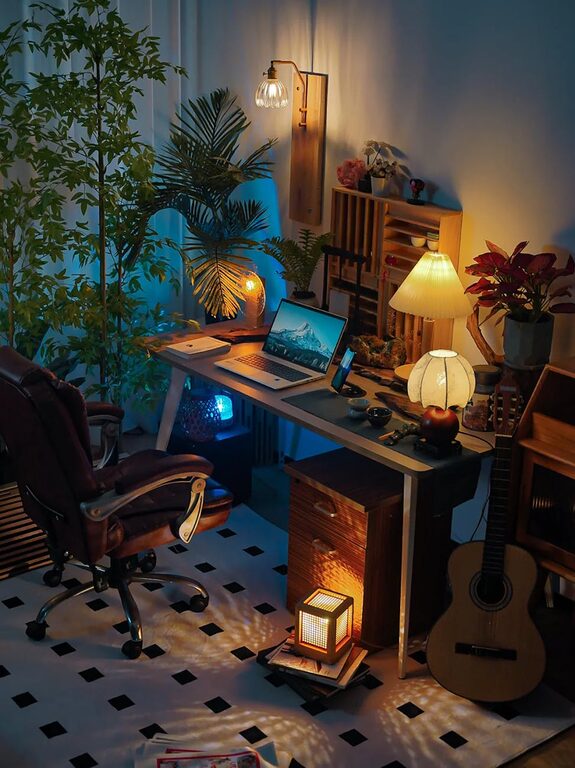
An ergonomic chair that supports your lower back is essential. It helps prevent discomfort and fatigue during long work sessions. Look for adjustable features like height, lumbar support, and armrests.
Choose a desk that fits your space and allows you enough room for your computer, keyboard, and workspace essentials. Adjustable desks can let you alternate between sitting and standing, which is beneficial for your posture and energy.
A messy desk can increase stress and reduce productivity. Keep only necessary items on your desk and store other supplies nearby but out of sight. Regularly decluttering helps maintain a clean and inviting workspace.
Consider shelves, drawers, or desktop organizers to keep papers, pens, and gadgets tidy. Labeling storage boxes can make it easier to find what you need quickly, saving time and frustration.
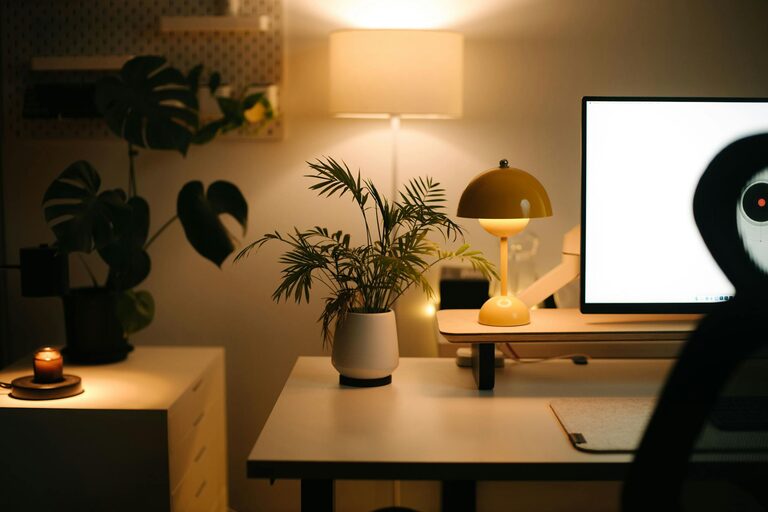
Adding greenery to your workspace can improve air quality and boost mood. Plants like succulents, spider plants, or peace lilies are low-maintenance options that bring a touch of nature indoors.
Soft, neutral colors like light blues, greens, or grays create a calming atmosphere. You can paint a wall, add a colorful rug, or use accessories in these shades to enhance relaxation.
Decorate your space with items that motivate you, such as artwork, quotes, or photos. However, avoid cluttering the area with too many decorations to keep the mood calm and focused.
Tangled cords create visual chaos and make cleaning difficult. Use cable organizers or clips to keep wires neat and out of sight.
Invest in reliable tech tools such as a good headset, mouse, and keyboard to reduce frustration and improve your workflow. A high-quality monitor can also help reduce eye strain.
Keep your workspace at a temperature that feels comfortable for you, whether through natural ventilation, fans, or heaters.
Step away from your desk every hour to stretch, walk around, or do breathing exercises. Breaks help prevent burnout and keep your mind fresh.
Use lamps with adjustable brightness or smart bulbs that allow you to change the color temperature throughout the day. Bright, cool light can help during focused work, while warmer light can relax you toward the end of the day.
Position screens to minimize glare from windows and lights. This will reduce eye fatigue and help you maintain concentration.
If your workspace allows, set up different zones for different activities. For example, have a specific desk area for focused work and a comfortable chair or small couch for reading or brainstorming. This physical separation can help your brain switch between tasks more effectively.
—
Creating a relaxing home workspace doesn’t have to be expensive or complicated. By paying attention to location, ergonomics, organization, and personal touches, you can design an environment that helps you feel comfortable and motivated every day. Remember, your workspace should support your natural rhythm and workflow, making it a pleasant place to spend your time and achieve your best work.