 11
11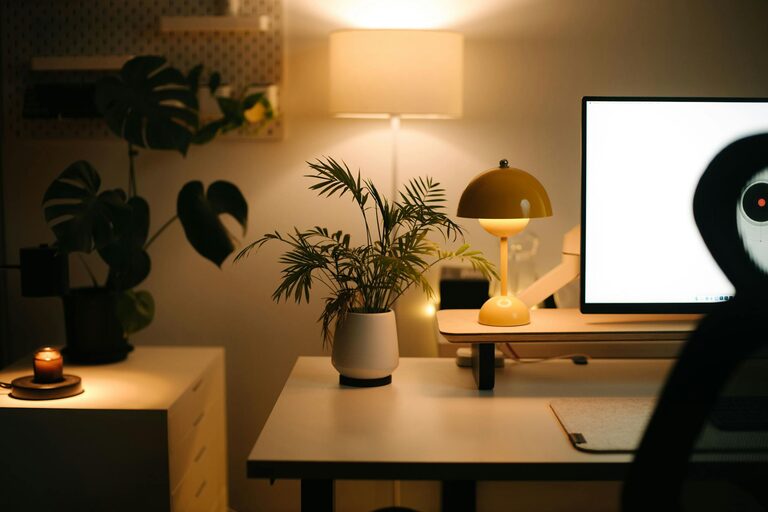
Creating a home office that feels both cozy and productive can make a significant difference in your work-from-home experience. Whether you spend a few hours or the entire day working in your space, making it comfortable and efficient helps you stay focused and motivated. Here are practical tips to help you design a home office that balances comfort with productivity.
Begin by selecting a quiet part of your home where distractions are minimal. Rooms with doors, spare bedrooms, or even a corner in your living room can work well if they’re away from high-traffic areas.
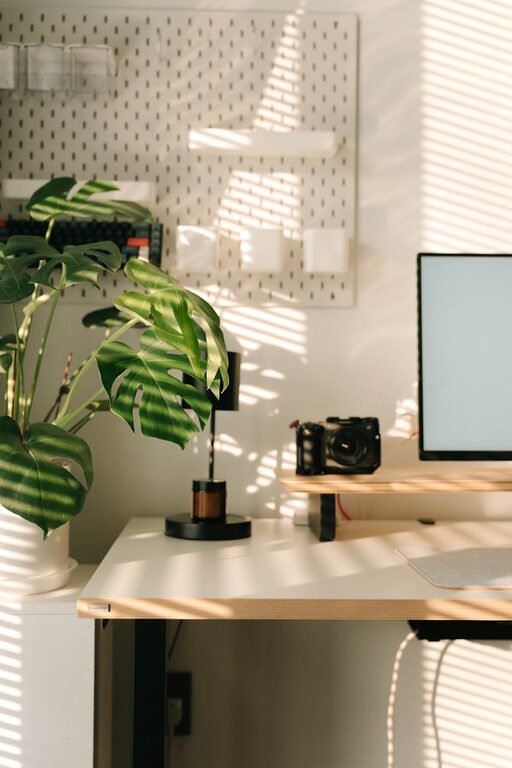
Position your desk near a window if possible. Natural light boosts mood and energy levels, which can enhance productivity. Avoid glare on computer screens by adjusting the angle or using light curtains.
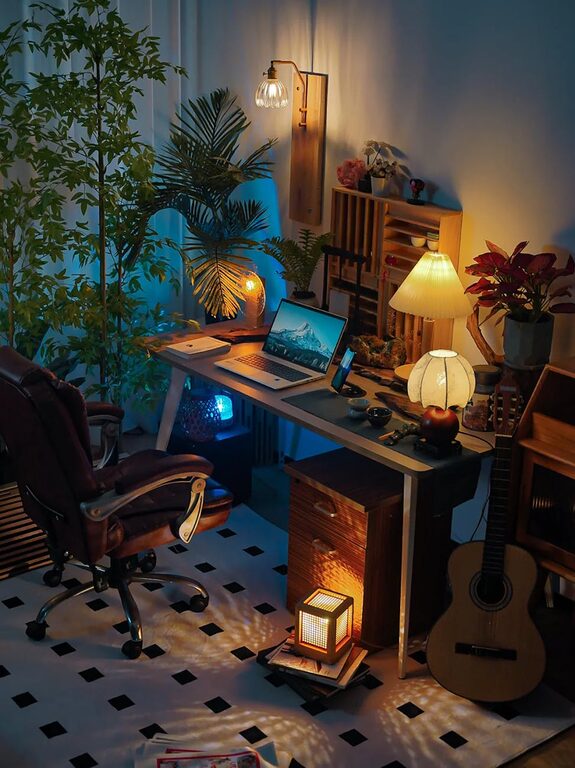
Comfort is key to sustained productivity. Choose an ergonomic office chair that supports your back and promotes good posture. Pair it with a desk at the right height to avoid strain on your wrists and neck.
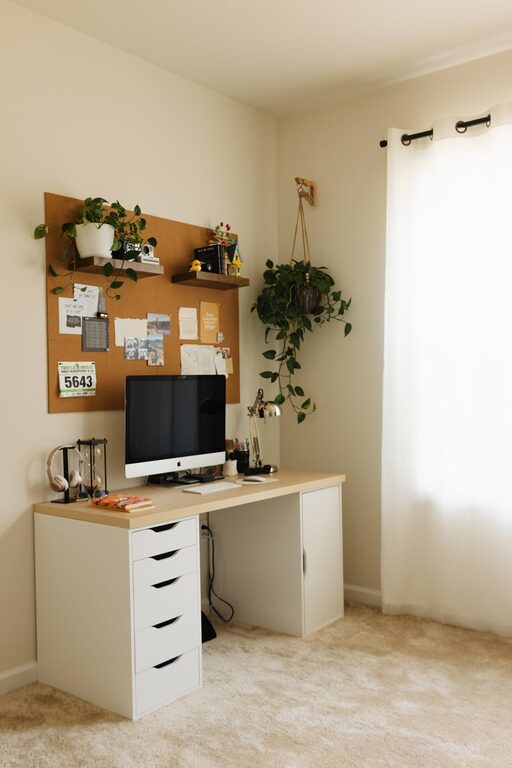
Pick a desk that fits your work style—whether you need extra surface area for paperwork or prefer a minimalist setup. Include storage options like drawers or shelves to keep your workspace tidy.
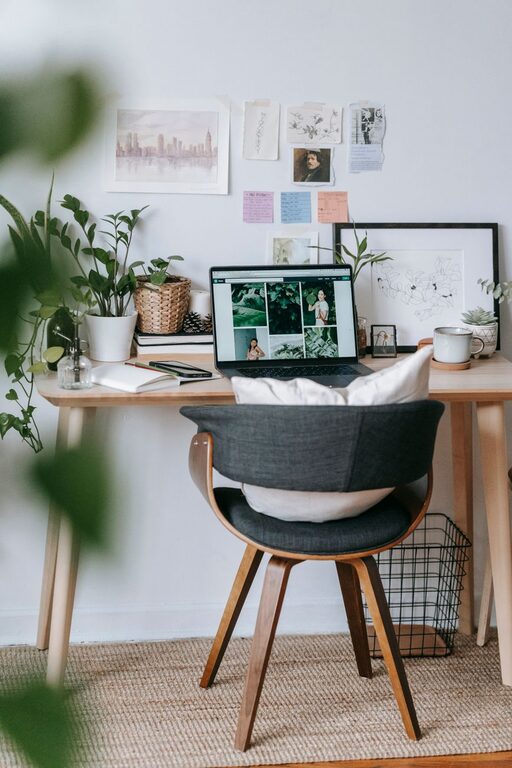
Introduce cozy touches like a soft throw blanket, cushions, or an area rug. These small additions can make your office feel welcoming and reduce stress.
Indoor plants improve air quality and add a bit of nature to your workspace. Choose easy-to-care-for plants such as succulents, snake plants, or pothos that thrive indoors.
Keep only essential items on your desk to reduce distractions. Use organizers for pens, papers, and charging stations to maintain a neat surface.
Maximize vertical space by installing shelves or corkboards. These can hold books, notes, or motivational quotes without taking up desk room.
In addition to natural light, have a combination of overhead and task lighting. A desk lamp with adjustable brightness is ideal for focused work during darker hours.
Warm-toned bulbs create a relaxing atmosphere that supports concentration without causing eye strain.
Having a dedicated work area helps signal when it’s time to focus. Setting clear work hours and breaks supports work-life balance and prevents burnout.
Inform family members of your schedule, and consider noise-canceling headphones if needed. Using a door sign or signal can also help reduce disturbances.
Ensure your workspace has strong Wi-Fi or consider a wired connection to avoid interruptions during calls or online work.
Equip your office with necessary technology such as a good quality headset, extra monitors, or a charging station to streamline your workflow.
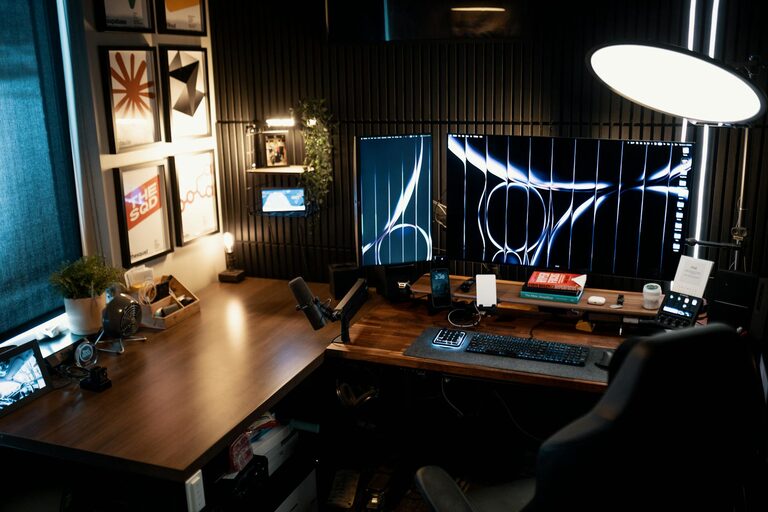
Decorate with art, photos, or items that inspire you. A motivating and pleasant environment encourages creativity and focus.
Occasionally rearranging your office layout or swapping decorations can refresh your workspace and keep your mind engaged.
—
Creating a home office that combines coziness with productivity doesn’t require a complete overhaul. Small changes and thoughtful organization can transform your space into a haven of focus and comfort. Prioritize your needs, keep it organized, and personalize your area to make work-from-home days more enjoyable and effective.